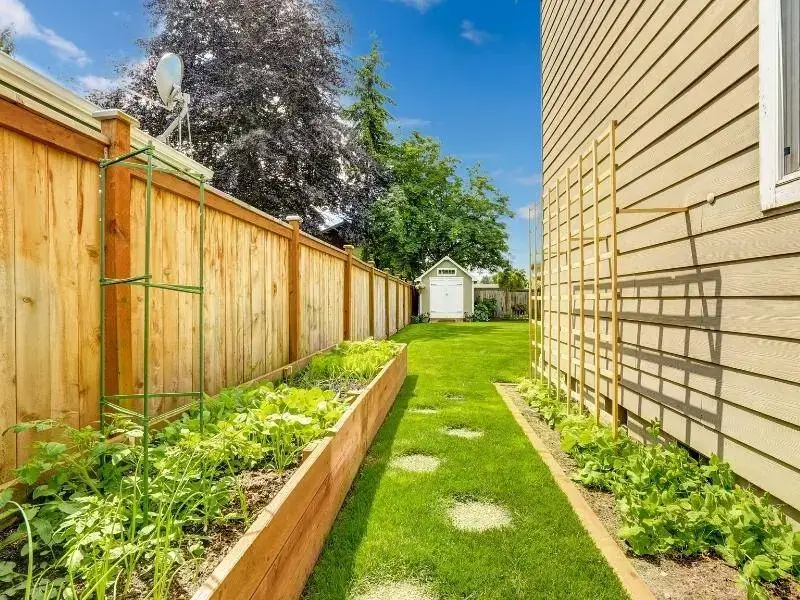

A fence does more than mark the edge of a property. It can shape the way a yard feels, improve privacy, guide visitors toward an entrance, protect children and pets, and give outdoor spaces a finished appearance. The best choice depends on how a household uses its property, the amount of maintenance it can manage, and the look that fits the home.
For homeowners in coastal communities and warm, humid regions, the decision also deserves careful thought. Sun, moisture, salt air, heavy rain, and fast-growing plants can affect different materials in different ways. A fence that looks attractive in a photograph may not be the right long-term match for a particular yard. Comparing the benefits of wood, aluminum, and living fences can make the planning process much easier.
Start With the Purpose of the Fence
Before comparing materials, identify the main job the fence needs to perform. A privacy fence may need closely spaced boards and enough height to screen a patio or side yard. A boundary fence may be intended mainly to define property lines without making the yard feel closed in. Around a pool, the priority is controlled access and compliance with applicable safety requirements. A decorative fence may be chosen primarily to frame a garden or complement the architecture of the house.
The same property may benefit from more than one approach. For example, a homeowner could use a taller wood fence along a busy side boundary and a more open aluminum design near the front of the home. A planted screen might work well beside a patio, while a simple gate provides access to a service area. Thinking about each section separately can produce a more functional result than selecting one style for every side of the yard.
It is also important to check property lines, neighborhood or homeowners association rules, local permitting requirements, and any rules that apply to pools or corner lots. Those requirements can affect height, placement, materials, gate design, and visibility near driveways. A professional assessment can help identify these details before construction begins. Homeowners considering a local installation can review FenceCraft for residential fencing options serving Sullivan’s Island and the surrounding Charleston area.
The Benefits of Wooden Fences
Wood remains a popular choice because it offers a warm, natural appearance that works with many home styles. Its visual character can make a yard feel more private and settled, especially when the fence is used around a backyard, garden, or outdoor entertaining area. Wood can also be adapted to different layouts, board arrangements, heights, and gate designs.
One of the main advantages of wood is design flexibility. Vertical boards can create a traditional privacy fence, while spaced pickets provide a more open boundary. Horizontal layouts may give a contemporary home a cleaner appearance. Decorative tops, lattice sections, and carefully designed gates can add character without changing the basic function of the fence.
Wood is also useful when a homeowner wants to coordinate the boundary with landscaping. It can sit naturally beside planting beds, decks, pergolas, and other outdoor features. A stain or paint color can change the visual effect, although the finish should be selected with the local climate and maintenance plan in mind.
The trade-off is upkeep. Wood can weather over time and may need cleaning, sealing, staining, painting, or repairs. Moisture, insects, strong sunlight, and poor drainage can all shorten the life of a wooden structure. Good installation details matter, including appropriate spacing from the ground, solid posts, effective drainage, and materials suited to the site. Regular inspection can help a homeowner address loose boards, leaning sections, or damaged gates before a small problem becomes a larger repair.
Why Aluminum Fencing Appeals to Many Homeowners
Aluminum fencing offers a different balance of appearance and maintenance. Its open lines can define a property without blocking views, which makes it useful for front yards, gardens, pool areas, and locations where a homeowner wants the landscape to remain visible. Many designs have a clean, understated appearance that works with both traditional and modern homes.
Aluminum is especially attractive in coastal settings because it does not rust in the same way as ordinary iron or untreated steel. That does not mean every aluminum fence is maintenance-free or immune to damage. Fasteners, gates, coatings, soil conditions, nearby vegetation, and installation quality still affect performance. However, the material can be a practical choice for homeowners who want a durable-looking boundary without the recurring refinishing associated with many wooden fences.
Another benefit is the range of available profiles and configurations. A homeowner may choose a simple two-rail or three-rail layout, a taller privacy-oriented arrangement, or a design with decorative pickets. Gates can be coordinated with the fence so that the entrance feels intentional rather than added as an afterthought.
Because aluminum fencing is often more open than a solid wood fence, it may not provide the same level of visual privacy. It can also be less suitable when the primary goal is to block wind-blown debris or create a fully screened outdoor room. In those situations, landscaping or a different fence style may be needed to complete the design.
The Natural Appeal of Living Fences
A living fence uses plants as the main visual boundary. Depending on the site, it may include a carefully maintained hedge, a row of shrubs, climbing plants supported by a structure, or a layered planting design. This approach can soften hard property lines and connect the fence area with the rest of the landscape.
Living fences are appealing to homeowners who want a greener, less formal boundary. Plants can add seasonal interest, texture, and color while creating a sense of separation around a patio or garden. They may also support a more natural-looking outdoor environment than a fully manufactured barrier. A living screen can be especially effective where the goal is to reduce views into a yard gradually rather than create an immediate solid wall.
The most important consideration is maintenance. Plants grow, spread, shed leaves, and respond to weather. A living fence needs pruning, watering during establishment, soil preparation, and replacement planning when individual plants fail. The right species should be selected for the amount of sunlight, drainage, wind exposure, available space, and desired height. Homeowners should also consider how close mature plants will be to sidewalks, driveways, utility lines, and neighboring property.
A living fence does not always have to stand alone. It can be paired with a low wood or aluminum fence to provide structure while the plants add softness and additional screening. This combination can give a yard a more established appearance, but it should be planned so that roots, branches, and irrigation do not interfere with the fence over time.
Compare Privacy, Maintenance, and Appearance
A useful comparison starts with three questions: How private should the yard be? How much routine care is realistic? What appearance should visitors see from the street and from inside the property?
Wood usually provides the strongest sense of enclosure when built as a solid fence, but it may require more ongoing care. Aluminum often provides a neat, open boundary with relatively modest maintenance, but it may need help from landscaping when privacy is important. Living fences can blend beautifully with a garden, but they require patience and regular horticultural attention before they reach their intended size.
Budget should be considered alongside the full ownership experience rather than only the initial installation price. A lower upfront cost may be less attractive if the fence needs frequent repairs or refinishing. Likewise, a low-maintenance material may not meet the homeowner’s needs if it does not provide enough privacy or security. Gates, grading, demolition of an old fence, permits, drainage work, and landscaping can also affect the overall project.
Plan the Details Before Installation
The most successful fence projects begin with a clear site plan. Mark the intended boundary, note slopes and drainage paths, identify gates, and consider how the fence will interact with driveways, walkways, trees, and outdoor equipment. Decide where privacy is essential and where an open view would be more useful.
Coastal and humid environments deserve special attention. Posts and fasteners should be selected for the conditions, and wood should be installed with details that help it dry between periods of rain. Aluminum sections should be checked for a suitable finish and properly protected connections. Planting plans should account for salt exposure, wind, irrigation, and mature size rather than relying only on the appearance of young plants.
Professional installation can also help with layout, material selection, gates, repairs, and local requirements. The final solution should be assessed against the property’s conditions and applicable local standards, especially where pool safety, public visibility, or boundary questions are involved.
Homeowners who want help comparing materials can also speak with FenceCraft about a residential fencing project in the Sullivan’s Island area. A site-specific discussion can make it easier to match the fence design with the property’s exposure, layout, and intended use.
Make the Fence Part of the Landscape
A fence looks most successful when it feels connected to the home instead of standing apart from it. Match the style to the architecture, repeat colors or materials used elsewhere, and leave enough room for gates to operate comfortably. Planting beds, lighting, gravel paths, and outdoor seating can all help integrate the boundary into the yard.
Whether the priority is the privacy of wood, the clean lines of aluminum, or the natural character of a living fence, the right choice is the one that supports daily life and remains manageable over time. Careful planning makes it easier to balance appearance, function, climate, and maintenance. With those factors in view, a fence can become a lasting improvement that adds structure and enjoyment to the entire outdoor space.
