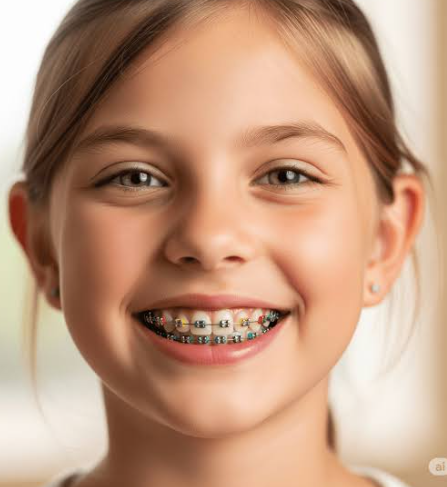

Paediatric orthodontics is a specialised field of dentistry focused on diagnosing, preventing, and treating dental and facial irregularities in children. Early intervention can significantly improve oral health outcomes and reduce the need for extensive treatment later in life. This guide aims to provide a clear understanding of the services offered by a paediatric orthodontist, their importance, and what parents can expect during treatment.
Understanding Paediatric Orthodontics
Paediatric orthodontics deals exclusively with children’s orthodontic needs, addressing issues related to the alignment of teeth and jaws. The primary focus is on guiding the growth of the jaws and correcting harmful oral habits. By targeting problems at an early age, paediatric orthodontists can often avoid complicated procedures in adulthood.
The Role of a Paediatric Orthodontist
A paediatric orthodontist specialises in treating children who require orthodontic care. These specialists have advanced training that equips them to monitor facial development, diagnose bite problems, and intervene when necessary to enhance oral function and aesthetics. They work closely with paediatric dentists to provide comprehensive care tailored to children’s unique dental needs.
When to Visit a Paediatric Orthodontist
The recommended age for a first orthodontic assessment is typically around seven years old. At this stage, a paediatric orthodontist can identify developing issues such as crowded teeth, bite irregularities, and jaw growth discrepancies. Early visits help in forming a treatment plan that may include monitoring or early intervention whenever appropriate.
Common Conditions Treated
A paediatric orthodontist addresses various dental conditions including malocclusion (misalignment of the teeth), crossbite, overbite, underbite, and open bite. Additionally, they manage problems caused by thumb sucking or prolonged pacifier use that can affect jaw and teeth positioning. Early diagnosis often allows for simpler and more effective treatments.
Assessment and Diagnosis
The first stage of care is a thorough assessment to determine the nature and extent of the orthodontic issues. This typically involves clinical examinations, dental impressions, photographs, and X-rays. These diagnostic tools enable the paediatric orthodontist to evaluate the growth pattern of the jaw and the position of developing teeth accurately.
Customized Treatment Planning
Based on the assessment, a personalised treatment plan is created. This plan considers the child’s dental development, age, and specific orthodontic problem. Treatment may be phased to coincide with critical stages of dental and skeletal growth, thus ensuring optimal results.
Types of Orthodontic Treatments Offered
Paediatric orthodontists offer a range of treatment options tailored to children, including fixed braces, removable appliances, expanders, and retainers. Early treatments may focus on correcting habits, managing space in the dental arch, or guiding jaw growth.
Fixed Appliances
Fixed braces are commonly used to straighten teeth and correct alignment issues. These appliances are attached to the teeth for the duration of treatment, which typically lasts between 12 and 24 months. The use of fixed braces in children is carefully managed to ensure comfort and effectiveness.
Removable Appliances
These devices can be taken out of the mouth by the child and are often used to correct minor tooth movements or to maintain space following tooth extraction. Removable appliances require compliance from the patient to be effective, which is why paediatric orthodontists provide detailed guidance to parents and children.
Palatal Expanders
Palatal expanders are devices used to widen the upper jaw. This treatment is particularly beneficial when the upper jaw is too narrow compared to the lower jaw, which can cause bite issues or crowded teeth. The appliance gradually applies pressure to widen the jaw over several weeks or months.
Benefits of Early Orthodontic Intervention
Intervening during childhood has multiple benefits. It can prevent severe malocclusions from developing, reduce the risk of dental trauma, improve chewing and speech functions, and enhance self-esteem by improving the appearance of the smile at an early age. Early treatment also often results in shorter treatment times during adolescence.
Coordination with Other Dental Care
Paediatric orthodontists coordinate with general paediatric dentists to ensure the overall dental health of the child is maintained throughout treatment. Regular cleanings, cavity prevention, and timely interventions ensure that orthodontic treatment proceeds smoothly without complications.
Ensuring Comfort and Compliance
Children’s comfort during treatment is a priority. Paediatric orthodontists use age-appropriate techniques and appliances designed for small mouths to minimise discomfort. Education on oral hygiene and appliance care helps maintain compliance, leading to better treatment outcomes.
Parental Involvement
Parents play a crucial role in the success of orthodontic treatments. They must encourage good oral hygiene habits, monitor appliance use, and attend regular appointments. Paediatric orthodontists provide detailed instructions and support to parents throughout the process.
Choosing the Right Paediatric Orthodontist
When selecting a professional for orthodontic care, parents should consider the specialist’s credentials, experience, and the range of services offered. A reputable paediatric orthodontist will provide personalised care plans and clear communication to ensure families are well-informed at every stage.
See also: Why Versatile Outerwear Matters in a Busy Modern Lifestyle
Conclusion
Paediatric orthodontics is an essential aspect of children’s oral healthcare, offering targeted treatments that guide dental development and correct irregularities effectively. Early diagnosis and intervention by a qualified paediatric orthodontist can lead to healthier, more functional, and aesthetically pleasing smiles, with benefits extending into adulthood.
