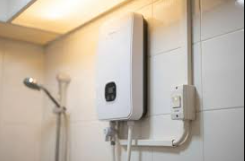

Hot water is an essential part of everyday household comfort. From bathing and washing dishes to cleaning and laundry, residential water heating systems support many daily activities. When homeowners replace an aging water heater or switch from gas to electric equipment, they must consider the electrical requirements of the new installation.
Electric water heaters can require significant electrical power, depending on their design, heating capacity, and operating characteristics. Proper electrical planning helps ensure that existing infrastructure can support the equipment safely while reducing the risk of overloaded circuits, damaged wiring, and unexpected power interruptions.
Why Electrical Planning Matters for Water Heater Installation
Residential water heaters are available in several configurations, and each type has different installation requirements.
Electric models use electrical energy to heat water, making suitable wiring, circuit protection, and distribution equipment essential.
Proper electrical planning provides several important benefits:
- Supports reliable water heater operation.
- Helps prevent overloaded electrical circuits.
- Provides appropriate protection for electrical wiring.
- Identifies existing electrical capacity limitations.
- Reduces risks associated with unsuitable connections.
- Supports compliance with applicable installation requirements.
- Helps homeowners prepare for future equipment improvements.
A qualified electrician can evaluate existing electrical infrastructure before a new water heater is installed.
Understanding Different Types of Electric Water Heaters
Homeowners should understand the differences between common electric water heating technologies.
Conventional Electric Storage Water Heaters
Conventional electric water heaters use heating elements to warm water stored inside an insulated tank.
Their electrical requirements depend on the equipment rating and manufacturer specifications.
Many residential models require dedicated electrical circuits.
Electric Tankless Water Heaters
Tankless electric water heaters heat water as it flows through the equipment.
Whole-home models can require substantial electrical power because they must heat water rapidly.
Some installations may require multiple dedicated circuits or significant electrical infrastructure modifications.
Heat Pump Water Heaters
Heat pump water heaters transfer heat from surrounding air into stored water.
They can use less electricity than conventional resistance-based models under suitable operating conditions.
Their installation requirements depend on the selected equipment and available space.
Point-of-Use Water Heaters
Point-of-use systems provide hot water near individual sinks or other fixtures.
Electrical requirements vary according to the unit’s heating capacity and design.
Common Electrical Challenges During Water Heater Installation
Installing new water heating equipment may reveal limitations in existing residential electrical systems.
Insufficient Electrical Capacity
Some older properties have electrical infrastructure designed for lower household electricity demand.
Adding an electric water heater can increase the total connected load.
Limited Circuit Availability
Certain electric water heaters require dedicated circuits.
Existing electrical distribution equipment may not have suitable arrangements for the required connections.
Aging Electrical Wiring
Deteriorating insulation, damaged conductors, and loose connections can create safety concerns.
These problems should be addressed before new equipment is connected.
Incompatible Protective Devices
Circuit breakers must be suitable for the electrical equipment and wiring they protect.
Incorrectly selected protective devices can compromise electrical safety.
Improper Previous Installations
Older water heaters may have been installed using unsuitable wiring methods or connections.
Professional inspections help identify arrangements requiring correction.
How Electrical Capacity Affects Water Heater Performance
Electrical capacity determines whether existing infrastructure can safely accommodate additional electrical loads.
Reviewing Household Electricity Demand
A property may contain several high-powered appliances, including cooking equipment, clothes dryers, and heating systems.
Their combined electrical demand must be considered when adding a water heater.
Evaluating Circuit Requirements
Water heater circuits must be designed according to equipment ratings and applicable electrical codes.
Understanding Equipment Specifications
Manufacturers provide information about operating voltage, current requirements, and installation procedures.
These specifications are essential for appropriate electrical design.
Considering Future Appliances
Homeowners planning additional electrical equipment should consider future electricity requirements during installation planning.
Professional Load Calculations
Qualified electricians use appropriate calculation methods to determine whether the existing electrical service can support the proposed equipment.
Warning Signs That Electrical Equipment Needs Attention
Electrical problems should be investigated before installing additional high-powered appliances.
Frequently Tripping Circuit Breakers
Repeated breaker trips may indicate excessive electrical demand, defective appliances, or damaged wiring.
Flickering or Dimming Lights
Persistent lighting fluctuations can result from voltage variations, loose electrical connections, or other faults.
Burning Odors
A burning smell near electrical equipment can indicate overheating or damaged insulation.
This condition requires urgent professional attention.
Unusual Electrical Sounds
Buzzing, popping, or crackling noises may indicate potentially dangerous electrical conditions.
Visible Equipment Deterioration
Corrosion, rust, damaged electrical enclosures, and discolored components should receive professional evaluation.
When Should Homeowners Consider Replacing Electrical Distribution Equipment?
Installing an electric water heater does not automatically require replacing existing electrical distribution equipment.
Some homes have adequate capacity and suitable circuit arrangements for the proposed installation.
However, an electrical panel replacement may become necessary when existing distribution equipment is significantly deteriorated, contains incompatible components, or cannot safely accommodate the property’s calculated electrical requirements.
A licensed electrician can inspect the installation and determine whether additional circuits, equipment replacement, or electrical service modifications are appropriate.
Replacing distribution equipment alone does not automatically increase the amount of electricity available from the utility service.
Important Steps Before Installing an Electric Water Heater
Careful preparation helps homeowners select equipment suitable for their property’s electrical infrastructure.
Identify Household Hot Water Requirements
The number of occupants, typical water usage, and simultaneous hot water needs can influence equipment selection.
Review Electrical Specifications
Homeowners should obtain the electrical ratings and installation instructions for the selected water heater.
Evaluate Existing Electrical Capacity
Professional load calculations help determine whether the current installation can accommodate the equipment.
Inspect Existing Wiring
Damaged insulation, loose connections, and unsuitable wiring arrangements should be corrected before installation.
Consider Equipment Location
Water heater placement affects access, electrical wiring routes, plumbing connections, and maintenance requirements.
Understand Permit Requirements
Water heater replacements and electrical modifications may require permits and inspections depending on local regulations.
Qualified professionals can help homeowners comply with applicable requirements.
How Professional Electricians Support Water Heater Installation
Professional electrical services help ensure that new equipment is connected safely.
Initial Electrical Inspection
An electrician examines existing distribution equipment, protective devices, and wiring conditions.
Electrical Load Assessment
Professional calculations help determine whether the installation can support the selected water heater.
Circuit Design
Required electrical circuits are designed according to equipment specifications and applicable codes.
Equipment Compatibility Review
Circuit breakers, disconnecting equipment, conductors, and other components must be suitable for the installation.
Final Testing and Verification
Completed connections should be inspected and tested to confirm proper operation.
Plumbing work should also be completed by appropriately qualified professionals.
Electrical Safety Considerations Around Water Heaters
Water heating installations involve both electricity and water, making proper protective measures especially important.
Suitable Equipment Grounding
Grounding and bonding arrangements should comply with applicable installation requirements.
Appropriate Disconnecting Means
Electrical equipment must have suitable means of disconnection where required.
Protection Against Moisture
Electrical connections should be installed and protected according to the surrounding environmental conditions.
Correct Circuit Protection
Protective devices must be appropriately rated for connected wiring and equipment.
Accessible Installation Arrangements
Water heaters and associated electrical equipment should remain accessible for inspection and maintenance.
Common Water Heater Installation Mistakes to Avoid
Improper installation can create electrical hazards and reduce equipment reliability.
Ignoring Electrical Load Requirements
Adding new equipment without evaluating existing capacity can result in overloaded circuits.
Using Undersized Wiring
Conductors must be appropriately selected for the electrical load and installation conditions.
Installing Incompatible Circuit Breakers
Protective devices must be compatible with the electrical distribution equipment.
Neglecting Manufacturer Instructions
Water heaters must be installed according to applicable equipment specifications.
Attempting Unqualified Electrical Modifications
Electrical distribution equipment may contain energized components even when the main breaker is switched off.
Internal electrical modifications should only be performed by qualified professionals.
Preventive Maintenance Tips for Electric Water Heaters
Regular maintenance helps preserve equipment performance and reduce unexpected problems.
Monitor Unusual Operating Behavior
Unexpected electrical interruptions, unusual sounds, or equipment faults should be investigated.
Address Water Leaks Promptly
Leaks can damage nearby electrical components and create hazardous conditions.
Follow Manufacturer Maintenance Instructions
Recommended inspection and maintenance procedures vary between water heater models.
Keep Electrical Equipment Accessible
Avoid placing storage materials in front of distribution equipment or required disconnecting devices.
Schedule Professional Inspections
Qualified electricians and plumbing professionals can identify developing problems and recommend suitable repairs.
Long-Term Benefits of Proper Water Heater Electrical Planning
A properly designed electrical installation supports reliable hot water availability and helps reduce unnecessary interruptions.
Professional capacity assessments can identify limitations before new equipment is installed.
Suitable wiring and protective devices support safe operation according to manufacturer requirements.
Planning carefully can also make future appliance installations more manageable and reduce the likelihood of unnecessary electrical modifications.
Maintaining accurate installation records helps simplify future inspections, maintenance, and equipment replacement.
Conclusion
Installing an electric water heater requires careful consideration of electrical capacity, wiring conditions, circuit protection, and equipment specifications.
Different water heating technologies have different electrical requirements, making professional evaluation important before installation begins.
By understanding warning signs, arranging appropriate inspections, and following manufacturer recommendations, homeowners can maintain dependable water heating performance while supporting safer and more reliable residential electrical infrastructure.
