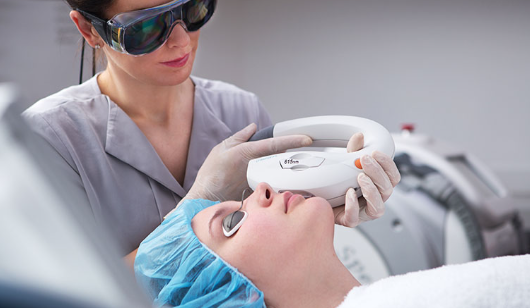

Cosmetic nursing is a specialised field within nursing that focuses on non-surgical aesthetic procedures aimed at enhancing a person’s appearance and boosting their confidence. A cosmetic nurse plays a vital role in this rapidly growing industry, working alongside dermatologists, plastic surgeons, and other medical professionals to deliver safe and effective cosmetic treatments.
Understanding the Role of a Cosmetic Nurse
The primary responsibilities of a cosmetic nurse include assessing patients’ needs, administering treatments, monitoring patient progress, providing pre- and post-treatment care, and educating patients about the procedures. These nurses undergo specialised training to master techniques such as Botox injections, dermal fillers, chemical peels, laser therapies, and other advanced skincare procedures.
Unlike traditional nursing roles, cosmetic nurses combine medical knowledge with aesthetic vision, ensuring treatments are both medically sound and aesthetically pleasing. Their expertise enables them to accurately evaluate a client’s skin condition, recommend suitable treatments, and execute those treatments with precision.
Client Assessment and Consultation
The initial phase in cosmetic nursing involves thorough consultations with clients. During this stage, the cosmetic nurse assesses the client’s medical history, current skin condition, and desired outcomes. This thorough approach helps to establish realistic expectations and a personalised treatment plan tailored to each individual.
A cosmetic nurse’s ability to communicate effectively and empathise with clients is crucial. By understanding patient concerns and motivations, the nurse can help alleviate anxieties related to treatments and provide reassurance throughout the process.
Administering Treatments
Cosmetic nurses perform a variety of procedures designed to improve skin texture, volume, and appearance. Common treatments include injections of neuromodulators such as Botox to reduce wrinkles, dermal fillers to restore volume, and chemical peels to rejuvenate the skin’s surface.
In addition to injections, cosmetic nurses are skilled in non-invasive techniques like laser therapy for skin tightening, pigmentation correction, and hair removal. These treatments require precision and adherence to strict safety protocols to minimise risks and optimise results.
The Benefits of Choosing a Cosmetic Nurse
One of the key advantages of selecting a cosmetic nurse for aesthetic procedures is their unique blend of clinical expertise and aesthetic proficiency. Their nursing background ensures a comprehensive understanding of anatomy, physiology, and patient care, which is fundamental for safe treatments.
Cosmetic nurses often spend more time with clients compared to some other providers, enabling them to build rapport, thoroughly discuss options, and tailor treatments to meet individual goals. Their nursing training also means they can respond promptly to any adverse reactions and provide ongoing care if complications arise.
Safety and Regulation
Safety is paramount in cosmetic procedures. Licensed cosmetic nurses operate under strict regulatory frameworks and professional standards, ensuring that treatments are conducted in controlled environments with sterilised equipment. This reduces the risk of infection, improper dosing, and other complications associated with aesthetic treatments.
Furthermore, cosmetic nurses must maintain continuing education to stay abreast of the latest technologies, products, and techniques. This dedication to ongoing professional development contributes significantly to patient safety and treatment efficacy.
Accessibility and Cost-effectiveness
Another benefit of consulting a cosmetic nurse is the accessibility and often more affordable rate compared to surgical interventions. Non-surgical procedures administered by cosmetic nurses typically require less downtime, smaller financial investment, and fewer risks, making them attractive options for many clients.
Cosmetic nurses can provide tailored treatment plans that fit clients’ budgets while still delivering noticeable improvements. This flexibility helps broaden access to aesthetic treatments beyond traditional surgical methods.
Common Procedures Performed by Cosmetic Nurses
Certain treatments have become increasingly popular within cosmetic nursing due to their effectiveness and minimal invasiveness. These include:
- Botox and other neuromodulator injections for wrinkle reduction
- Dermal fillers for volume restoration and contouring
- Chemical peels to improve skin texture and pigmentation
- Laser therapy for skin rejuvenation and hair removal
- Microneedling for collagen induction and scar treatment
Each procedure is customised based on individual skin types and treatment goals, with cosmetic nurses evaluating the best approach to achieve natural-looking results.
See also: Why Versatile Outerwear Matters in a Busy Modern Lifestyle
Patient Education and Support
Education and aftercare advice are critical facets of cosmetic nursing. Nurses provide detailed guidance on what patients should expect during recovery, potential side effects, and maintenance strategies for long-term benefits.
They also offer support should any complications arise post-treatment, ensuring clients feel confident and satisfied with their outcomes. This professional follow-up enhances overall patient experiences and helps maintain trust in cosmetic services.
Professional Standards and Training
Cosmetic nurses typically possess registered nursing qualifications combined with specialised training or certifications in aesthetic medicine. This advanced education equips them with knowledge on facial anatomy, pharmacology of cosmetic products, and safety protocols.
Many cosmetic nurses pursue additional certifications related to specific treatments or devices, reinforcing their competence and credibility in the field. Their commitment to adhering to professional guidelines safeguards both their practice and patient health.
The Future of Cosmetic Nursing
As the demand for minimally invasive cosmetic procedures continues to rise, the role of cosmetic nurses is expected to expand. Innovations in technology and techniques will likely provide new opportunities for nurses to enhance treatment offerings and improve patient outcomes.
Moreover, cosmetic nursing is set to become an increasingly recognised specialty within the healthcare sector, gaining further professional status and regulatory oversight. This progression will strengthen public confidence and encourage higher standards of care.
Conclusion
The role of a cosmetic nurse is integral to the safe and effective delivery of aesthetic treatments. Their combination of clinical knowledge and aesthetic skill enables them to assess, treat, and support clients throughout their cosmetic journey. Choosing a cosmetic nurse provides access to professional care that prioritises patient safety, personalised treatment plans, and natural results.
With the benefits of enhanced safety, cost-effectiveness, and expert guidance, cosmetic nursing remains an excellent option for individuals seeking non-surgical methods to maintain and improve their appearance. As the industry grows, so too will the opportunities for cosmetic nurses to lead advancements in aesthetic healthcare.
