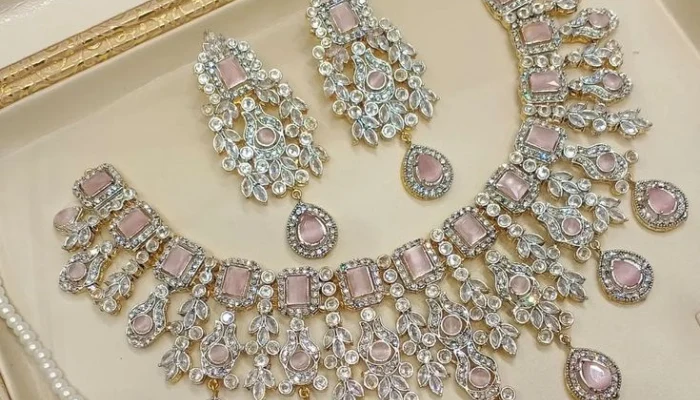

Bridal fashion has changed significantly over time, but traditional jewelry continues to influence the way modern weddings are styled. Classic ornaments that were once closely associated with specific customs are now being reinterpreted for contemporary brides, wedding guests, and fashion enthusiasts.
This connection between tradition and modern fashion allows cultural jewelry to remain relevant while giving people greater freedom to express their individual style. From statement earrings to traditional headpieces, familiar designs continue to appear in modern wedding collections.
The Lasting Influence of Bridal Jewelry
Jewelry has always played an important role in South Asian weddings. It is often connected to family traditions, cultural identity, celebrations, and significant milestones.
Many traditional pieces have been passed from one generation to another. A necklace, pair of earrings, or headpiece may carry memories of previous family weddings while becoming part of a new bride’s personal story.
This emotional and cultural connection gives bridal jewelry a lasting influence that goes beyond temporary fashion trends.
Modern designers continue to draw inspiration from these traditional styles, adapting them for changing preferences without removing their cultural character.
Traditional Jewelry Meets Modern Bridal Fashion
Today’s brides have more styling choices than ever. They can choose a completely traditional appearance, combine classic jewelry with modern clothing, or create a balanced look using elements from both styles.
This flexibility has made traditional jewelry attractive to younger generations. Instead of treating cultural accessories as formal pieces reserved for specific ceremonies, many people now incorporate them into contemporary wedding and festive outfits.
Modern bridal fashion therefore does not necessarily replace traditional jewelry. Instead, it provides new ways to wear and appreciate it.
The Continuing Popularity of Indian Wedding Jewelry
Indian Wedding Jewelry remains an important influence on bridal fashion because of its detailed craftsmanship and cultural significance.
Wedding jewelry collections often include earrings, necklaces, bangles, rings, and headpieces designed to work together. However, modern brides are increasingly selecting individual pieces rather than always wearing a complete traditional set.
This approach gives them greater control over their appearance. A bride may choose statement earrings while keeping the necklace simple or select a traditional headpiece as the main focal point.
The result is a bridal look that respects tradition while reflecting contemporary preferences.
Jhumkas as a Modern Bridal Favorite
Traditional earrings continue to be one of the strongest examples of this connection between heritage and modern fashion.
A classic Jhumka can add an unmistakable cultural element to a bridal outfit. Its bell-shaped design and detailed appearance make it suitable for both traditional and contemporary wedding styling.
Modern variations may feature different sizes, finishes, and decorative details. This allows brides to choose a pair that matches their clothing without abandoning the recognizable character of the traditional design.
Jhumkas can also be worn after the wedding, making them a practical addition to a jewelry collection.
Styling Jhumkas With Contemporary Outfits
Traditional earrings do not always require traditional clothing. A modern ethnic dress, simple kurta, or contemporary wedding outfit can be paired with jhumkas to introduce a cultural element.
This styling approach has become increasingly common because it allows individuals to create personalized looks instead of following a single fashion formula.
The Maang Tikka in Contemporary Bridal Styling
The traditional headpiece remains another strong influence on modern wedding fashion. The Maang Tikka has retained its recognizable position while gaining new interpretations through modern jewelry design.
Contemporary brides can choose from delicate designs, geometric patterns, elaborate bridal pieces, and minimalist styles. This variety allows the accessory to work with different hairstyles and wedding outfits.
The maang tikka can also serve as a focal point, drawing attention toward the face while creating a connection with traditional bridal aesthetics.
The Rise of Minimalist Bridal Jewelry
Not every modern bride wants an elaborate jewelry arrangement. Minimalist bridal fashion has become increasingly popular among those who prefer a cleaner and more understated appearance.
Traditional jewelry can easily adapt to this preference. Instead of wearing multiple large accessories, a bride can choose one statement piece and allow it to define the look.
For example, a simple necklace combined with traditional earrings can create an elegant appearance without excessive detailing.
This demonstrates how traditional jewelry can remain relevant even as bridal fashion moves toward simpler styling.
Personalization in Modern Wedding Jewelry
Personalization has become an important part of contemporary fashion. Brides increasingly want jewelry that reflects their personality rather than simply following established conventions.
They may choose specific colors, motifs, shapes, or combinations based on their preferences. Some also select pieces that represent family heritage or have personal sentimental value.
Traditional jewelry provides an excellent foundation for this personalization because there are many established styles that can be adapted to individual tastes.
See also: How Eco-Conscious Clothing Choices Help Businesses Build Stronger Brands
The Role of Social Media in Bridal Jewelry Trends
Social media has accelerated the exchange of fashion ideas around the world. Brides can now see wedding looks from different cultures and regions, giving them inspiration for their own jewelry choices.
Traditional accessories frequently appear in wedding photography, styling videos, and fashion content. This exposure has helped introduce classic jewelry designs to younger audiences.
As a result, traditional jewelry is no longer limited to specific geographic communities. People around the world can discover and incorporate these styles into their own fashion choices.
Choosing Jewelry That Works Beyond the Wedding
Modern consumers often consider versatility when purchasing jewelry. Instead of selecting a piece that can only be worn on the wedding day, many look for designs that can also work for future celebrations.
Traditional earrings, for example, can be worn with festive clothing long after the wedding. A classic headpiece may also be suitable for engagement ceremonies or cultural events.
This makes timeless jewelry a practical investment as well as a fashion choice.
Quality and Craftsmanship Remain Important
As traditional jewelry enters modern fashion, craftsmanship remains central to its appeal. Detailed designs, careful finishing, and secure construction can make a significant difference in the appearance and longevity of a piece.
Consumers increasingly value jewelry that combines traditional inspiration with quality standards suitable for modern lifestyles.
Jida Jewels offers collections inspired by South Asian jewelry traditions, allowing shoppers to explore pieces that fit both cultural celebrations and contemporary styling preferences.
For those looking for traditional and bridal-inspired jewelry, provides collections that can complement weddings, festive occasions, and modern ethnic outfits.
Conclusion
Traditional bridal jewelry continues to influence modern fashion because it combines cultural heritage with timeless design. Classic pieces such as the Jhumka and Maang Tikka remain relevant because they can be adapted to different outfits, occasions, and personal preferences.
Modern bridal fashion is not simply moving away from tradition. Instead, it is finding new ways to interpret and wear traditional jewelry. This balance between heritage and individuality ensures that bridal jewelry traditions will continue influencing fashion for generations to come.
